Medijų Rėmimo Fondas
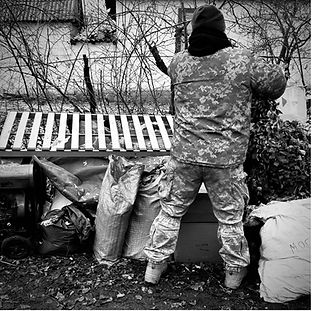
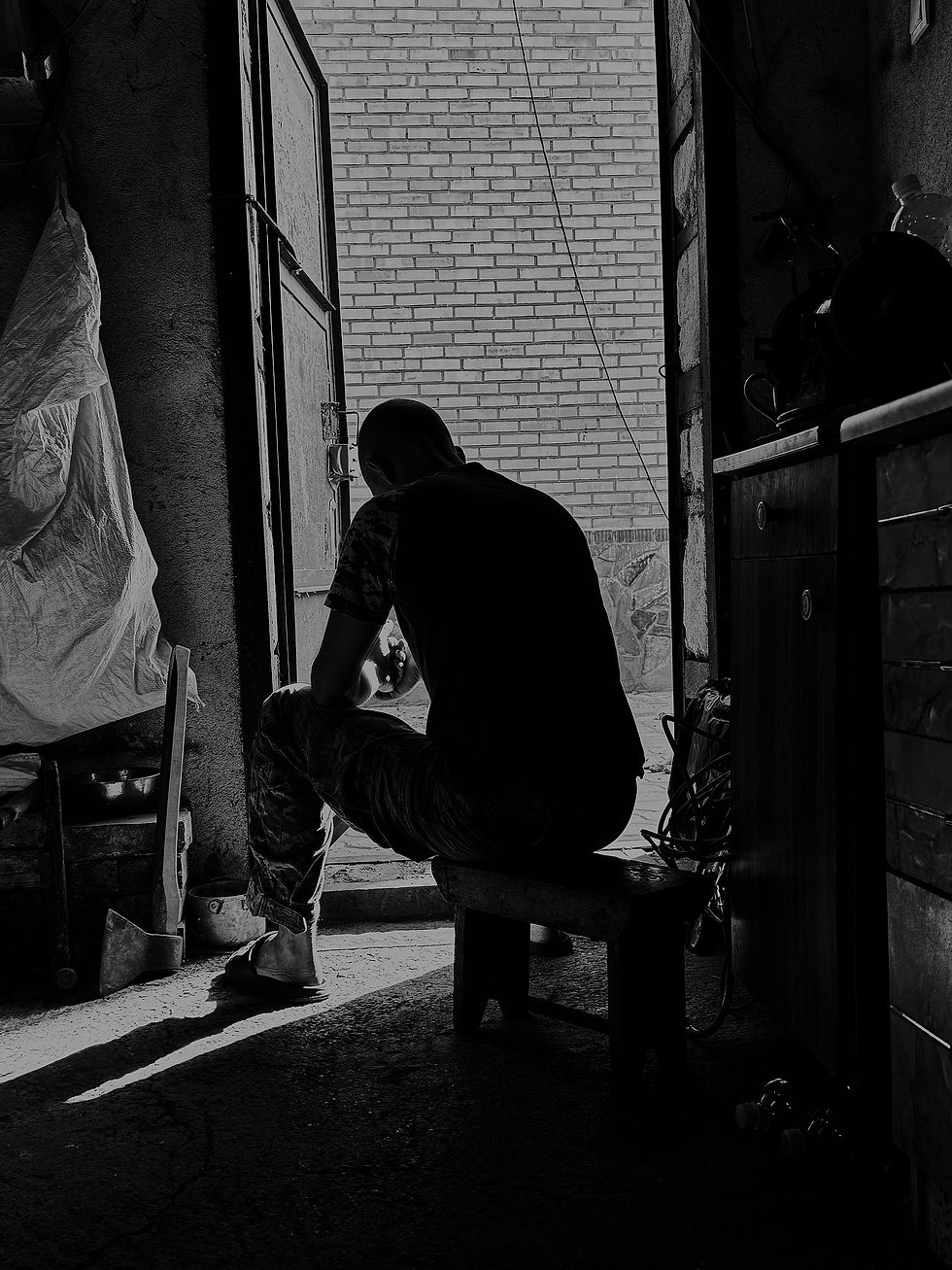
Since 2022 I have been traveling to war-torn Ukraine, where I’m accompanying “my” regiment to the frontline. That means, that I currently have the opportunity for direct contact with several thousand soldiers. Not being a soldier myself, I naturally became embedded in the battalion’s and regiment’s life and at the same time have a unique opportunity to observe the war and the soldiers from the inside, living for weeks at a time in the combat zone (at a Control Observation Post) and accompanying them daily in their battle. Being part of military unit provides exceptional opportunities to me to gain deep, not superficial, insight into the everyday life of an ordinary soldier - the one who goes out to face death every night. Soldiers fighting in war are especially modest and tend to downplay their fight and their merits. When asked to tell their story, they most often reply tersely, “there’s not much to tell”,- especially when the person sitting across from them is a journalist and a complete stranger. Only when you are accepted into their circle, when you gain their trust, when you become “one of them”, do they begin to open up and tell the horrific stories they have lived through. In many cases these stories are so dreadful that to an outside observer or listener they are simply hard to understand or imagine. The circle closes - soldiers do not tell anyone about the horrors they endured, especially not their families, which creates separation between soldiers and their families and deprives them of proper support from home and from society in general. This, in turn, has a particularly negative impact on their psychological state, motivation, and willingness to defend their country. Although this is not spoken about loudly, such pressure and internal dissatisfaction, lack of motivation, and lack of proper preparation and mindset often become reasons for desertion or unauthorized departure from a military unit, not to mention the difficulties the state faces in mobilizing soldiers sufficiently. Conversely, there are cases when a mobilized society views the conscription of men for war hostilely and takes concrete actions, such as the unauthorized “release” of collected and drafted men. Despite the large-scale war against Ukraine that has been going on for five years now, Lithuanian society has not learned basic lessons - that the fiercest fighting will have to be fought by civilians themselves, suffering extremely large and painful losses. At present, unfortunately, Lithuanian society and the armed forces are not a homogeneous, single-minded unit. The prevailing civilian perception that in the event of war they will be defended by the military with little contribution on their part is mistaken, as the especially painful lessons from Ukraine have shown. Another prevalent mistaken belief is that in wartime society will suddenly and “automatically” support and help the military. The war against Ukraine has shown that reality is completely different. Often (even now) the military and soldiers encounter the attitude that “if it weren’t for them, there wouldn’t even be this war”; soldiers have repeatedly reported hostile civilian and societal attitudes, where they are not only not thanked for their sacrifice defending the homeland, but are instead insulted and abused. Research objective The aim of the study is to educate and inform Lithuanian society using the experiences of Ukrainian soldiers and their families, reducing the divide between the Lithuanian armed forces and society, thereby strengthening and promoting patriotism, engagement in national defense, and preparedness for the worst-case scenario.